Listed in: Customer stories
Better Packaging: Combatting plastic pollution, collaboratively
Better Packaging shows innovation, collaboration, and fighting plastic pollution is a recipe for building resilient communities.
0 minute read
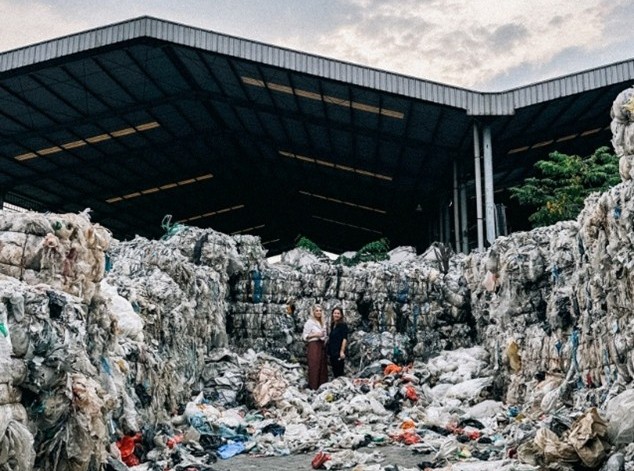
Over the past 70 years, the production of plastic has skyrocketed. 1950 saw two million tonnes of new plastic made that year. By 2018, when Rebecca Percasky and Kate Bezar founded Better Packaging, 441 million tonnes of new plastic was made each year.
Of this, up to 12 million tonnes of plastic ends up in our oceans each year. If nothing changes, it’s expected that by 2050 there will be more tonnes of plastic in the ocean than there are tonnes of fish.
Rebecca and Kate wanted to tackle this issue. One key driver of new plastic production they identified was the rise in ecommerce. Each delivery needs packaging, and many companies rely on ‘virgin’, or newly made, plastic packaging.
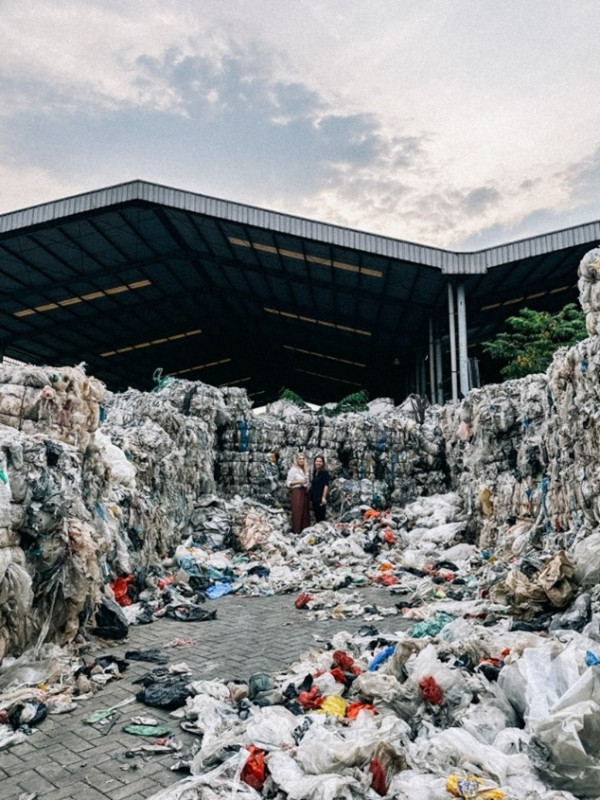
Better Packaging's co-founders Rebecca and Kate in Indonesia in front of collected plastic for recycling.
They started looking at alternatives, to try and reduce this enormous reliance on new plastic packaging and stem the entry into our oceans. What they made was a company on a mission to tackle pollution, poverty, and climate change – one package at a time.
Sourcing plastic waste and protecting the environment
Better Packaging’s first step was to source the waste plastic it needed – deciding to focus on a problem and finding its solution.
Most of the plastic that enters our oceans comes from areas that lack the local infrastructure to deal with it. This lack of infrastructure is often a sign of poverty in those areas.
By creating this infrastructure in a rural area where plastic is known to enter our oceans, Better Packaging can stop pollution at a key source and provide locals with security.
The economics of turning rubbish into a recycled product
By capturing this plastic waste before it enters our waters, Better Packaging empowers local collection and recycling efforts.
This waste is then turned into POLLAST!C, recycled packaging that can be used to ship orders across the world.
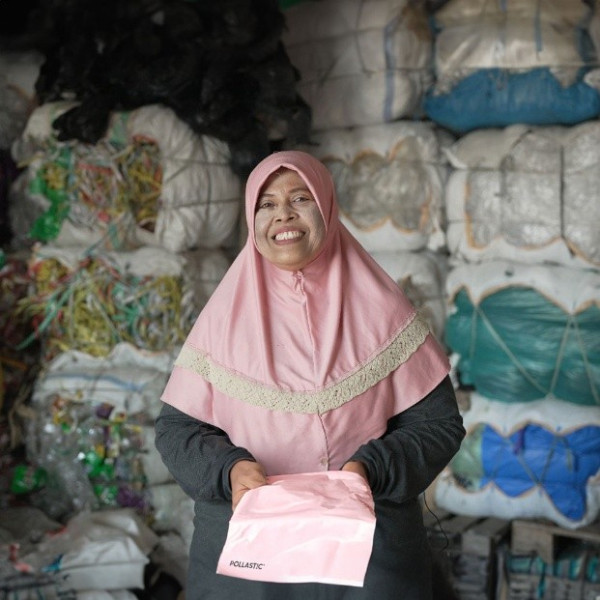
Asniah, one of Better Packaging’s Indonesian POLLAST!C Project collectors
Unfortunately, virgin plastics remain a cheap, environmentally-damaging alternative. Policies and incentives are required to shift production away from virgin plastics. Until then, solutions like Better Packaging are helping to prevent these virgin plastics from becoming pollution.
Combatting poverty while tackling pollution
The regions where most plastic pollution enters the world’s oceans are often areas that lack proper waste management or local infrastructure to handle refuse.
This lack of funding is often linked to local poverty and a lack of job opportunities. By directing resources, innovation, and infrastructure development into such areas, residents are provided with jobs, regular income and the means to prevent waste becoming a problem.
How BNZ supports Better Packaging
Our relationship with Better Packaging has evolved as Kate and Rebecca have taken the company from strength to strength.
While initially our support consisted of access to finance, facilitating growth in the early stages of their business, we now act as a trusted advisor on their continued path of growth and innovation.
Rebecca says, “BNZ has backed us from the beginning – not just financially, but with an understanding of our purpose and vision. They’ve supported us through key growth phases, including international expansion, and have helped us scale our impact in meaningful ways.
“The team at BNZ feels like an extension of our own team, who are committed and genuinely aligned with our mission. They’re not just a bank, they’re great humans we love working with.”
Treating plastic as a resource rather than waste
Better Packaging sees huge potential in creating value from rubbish. If plastic pollution can be harnessed as a resource, there’s potential for circular economies to be made that help people, the planet, and businesses.
Related articles
Sustainable foundations paying off for Otis Oat Milk
Driven by its vision for a thriving and vibrant plant-based industry in New Zealand, Otis Oat Milk aims to revolutionise consumer choices without sacrificing taste or tradition.
Taking the first steps to becoming a sustainably focused small business
Whether you’re a new or established small business, implementing sustainable practices can help reduce your business’s impact on people and planet, manage risk, and attract more customers.
The importance of advisors for small businesses
An Advisory Board can provide valuable input to any business, and fuel growth. Here’s how you can tell whether your Advisory Board is cutting the mustard, and what can happen to businesses who choose to fly solo.
Finance options for business
Find out more
This article is solely for information purposes. It’s not financial or other professional advice. For help, please contact BNZ or your professional adviser. No party, including BNZ, is liable for direct or indirect loss or damage resulting from the content of this article. Any opinions in this article are not necessarily shared by BNZ or anyone else. References to third party websites are provided for your convenience only. BNZ accepts no responsibility for the availability or content of such websites.